
Blog
What Does a Physiotherapist Do in Australia?
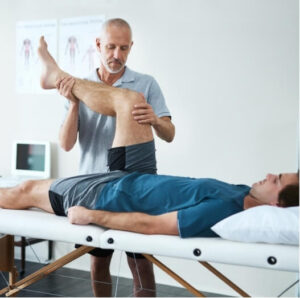
When you are sidelined by an injury or struggling with persistent aches, the most common question that arises is: what does a physiotherapist do to actually get you back on your feet? Many people assume it is just about massage or simple stretches, but the reality is far more sophisticated. In Australia, a physiotherapist is a highly trained university-qualified health professional who specialises in the alignment, function, and movement of the human body.
Understanding the Role: What Does a Physio Do?
A physiotherapist’s primary goal is to restore function and improve movement when your quality of life has been affected by injury, illness, or disability. In alignment with the Australian Physiotherapy Association (APA), physiotherapists use their knowledge of the human body and specialised hands-on clinical skills to diagnose, treat, and manage a broad range of health conditions. (APA, 2024)
Unlike some clinics that rely on automated machines or passive treatments, a musculoskeletal physiotherapist at M Physio focuses on the “root cause” of your discomfort. They look at how your muscles, joints, and nerves work together. Whether you are dealing with sports injuries, chronic health conditions, or recovering from surgery, physiotherapists play a crucial role in the Australian healthcare system. (Healthdirect, 2024)
Beyond the Clinic: Where Do Australian Health Professionals and Physiotherapists Work?
What physiotherapists do extends far beyond the walls of a private practice. Because they are essential health professionals, you will find them in diverse health settings across the country (Physiotherapy Board of Australia, 2023), including:
- Public and Private Hospitals: Assisting in post-surgical rehabilitation and intensive care.
- Community Health Centres: Providing accessible care for local residents.
- Residential Aged Care Facilities: Helping seniors maintain mobility and independence.
- Rehabilitation Centres: Supporting recovery from major trauma or neurological events.
- Sports Organisations: Working with professional athletes to manage sports injuries and enhance performance.
- Occupational Health: Performing occupational health assessments to ensure workplace safety.
How Physiotherapists Assess and Treat Everything from Sports Injuries to Chronic Conditions
At M Physio, a systematic approach is applied to ensure you aren’t just “patching up” a problem, but solving it for good. Here is a breakdown of the clinical process:
1. Comprehensive Assessment
First, physiotherapists assess the patient’s history and physical state. This involves looking at human movement, strength, and flexibility. They don’t just look at where it hurts; they look at why it hurts. For instance, your back pain might actually be stemming from a stiff hip or poor foot mechanics.
2. Diagnosis and Treatment Planning
Once a diagnosis is made, the physio will outline the treatment options. This often includes a mix of manual therapy (hands-on treatment) and self-management advice. The goal is to alleviate pain in the short term while building a plan for the long term.
3. Hands-On Treatment
A musculoskeletal physiotherapist uses manual techniques to mobilise joints and soft tissues. While some practitioners might use transcutaneous electrical nerve stimulation (TENS) or other machines, the M Physio philosophy prioritises “hands-on” therapy to ensure the best results in the shortest possible time.
4. Exercise and Rehabilitation
To achieve lasting results, your physio will supervise exercises tailored to your specific needs. They prescribe specific movements to strengthen weak areas and improve movement patterns. This is vital for injury prevention activities and preventing the recurrence of chronic conditions (AIHW, 2023).
What Does a Musculoskeletal Physiotherapist Do?
Musculoskeletal physiotherapists treat an array of conditions, focusing specifically on the muscles and skeleton to restore mechanical balance (Jull & Moore, 2012). By focusing on the human body as a whole, they help you manage discomfort and support your return to a normal life.
They are experts in treating musculoskeletal conditions such as:
- Osteoarthritis and chronic health conditions.
- Whiplash and neck stiffness.
- Ligament tears and tendonitis.
- Pre- and post-operative rehabilitation.
- Back pain
- Temporomandibular Joint Disorders (TMJ)
- Hip pain
- Groin pain
- Ankle/foot pain & shin splints
- Elbow pain
Managing Chronic Health Conditions and Health Promotion
What does a physiotherapist do in Australia regarding long-term health? Beyond acute injuries, physiotherapists work heavily in chronic disease management. For those living with chronic health conditions like diabetes, heart disease, or respiratory issues, a physio can provide lifestyle modification advice and provide health promotion education (Healthdirect, 2024).
They often collaborate with other health professionals, such as your doctor or occupational therapist, ensuring a level of holistic patient care that does more than just treat the symptoms, fundamentally restoring the quality of life for the wider Australian community.
Regulation and Quality: The Physiotherapy Board of Australia
You can rest assured that when you see a “Physio” in Australia, you are in safe hands. All practitioners must be registered with the Physiotherapy Board of Australia (supported by AHPRA). The National Physiotherapy Board ensures that every physio is trained to the highest standards and maintains ongoing professional development (Physiotherapy Board of Australia, 2023). This regulation ensures that the services provided are safe, ethical, and evidence-based.
Summary: Why See a Physiotherapist?
Whether you are looking to treat a specific injury, manage a chronic condition, or simply improve your athletic performance, a physiotherapist is your partner in health.
They:
- Diagnose the “root cause” of your pain.
- Alleviate discomfort through hands-on therapy.
- Prescribe rehabilitation exercises and prescribe aids if necessary.
- Help you reclaim your movement and mobility.
At M Physio, our 6-step “Optimal Health4Life Plan” is designed to take you from discomfort to peak performance. We don’t believe in “quick fixes”; we believe in total body transformations.
Ready to Reclaim Your Movement?
If you’re tired of living with pain or stiffness, don’t wait for it to “just go away.” Partner with the experts who understand the human body best. Book today.
References
Australian Institute of Health and Welfare (AIHW). (2023). Chronic musculoskeletal conditions. https://www.aihw.gov.au/
Australian Physiotherapy Association (APA). (2024). What is Physiotherapy? https://australian.physio/
Physiotherapy Board of Australia. (2023). Professional Standards and Registration. https://www.physiotherapyboard.gov.au/
Healthdirect Australia. (2024). Physiotherapy. (Australian Government Dept. of Health). https://www.healthdirect.gov.au/physiotherapy
Jull, G., & Moore, A. (2012). Musculoskeletal physiotherapy: Visualising the future. Manual Therapy, 17(1), 1-2.