

Blog, Physiotherapy
Wrist Pain After a Fall: Common Injuries Explained

Wrist pain after a fall should never be ignored, especially when symptoms are not settling properly.
It happens in a split second — you trip, lose your balance, and instinctively put your hand out to break the fall. While this reflex helps protect your head and body, it often leaves your wrist absorbing the full force of the impact.
Wrist pain after a fall is extremely common and can happen during sport, at work, on slippery surfaces, or even from a simple misstep at home. Sometimes the pain settles relatively quickly, but in other cases, it may indicate a more significant injury that requires proper assessment and treatment.
One of the biggest challenges is that different wrist injuries can feel very similar in the early stages. A mild sprain, a fracture, or a more serious joint injury may all present with pain, swelling, and difficulty using the hand. Understanding the possible causes of wrist pain after a fall can help you know when it is important to seek professional advice.
Why Wrist Pain Happens After a Fall
When you fall forward, your natural reaction is to put your hand out to protect yourself. This is known as a FOOSH injury — short for “fall onto an outstretched hand.”
During this movement, a large amount of force travels through the wrist joint. Depending on the angle of the fall and the force involved, different structures within the wrist can become injured.
Common injuries linked to wrist pain after a fall include:
• Wrist sprains
• Distal radius fractures (broken wrist)
• Scaphoid fractures
• Joint irritation and inflammation
• Tendon strain or overload
Because the wrist contains multiple small bones, ligaments, and joints working closely together, identifying the exact source of pain is important for recovery.
1. Wrist Sprain (Ligament Injury)
What Is It?
A wrist sprain occurs when the ligaments of the wrist become stretched or torn during the fall. Ligaments are strong tissues that connect bones and help stabilise the wrist joint.
This is one of the most common causes of wrist pain after a fall.
Common Symptoms
People with a wrist sprain may experience:
• Pain during movement
• Swelling and bruising
• Weakness when gripping objects
• Pain that lingers after the initial injury
• A feeling of instability in the wrist
Some mild sprains improve within a few weeks, while more significant ligament injuries may require rehabilitation to fully restore movement and strength.
2. Distal Radius Fracture (Broken Wrist)
What Is It?
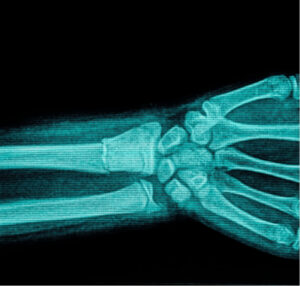
A distal radius fracture is one of the most common wrist fractures following a fall. It occurs when the radius bone near the wrist breaks from the force of impact.
This injury is especially common when someone lands heavily on their hand.
Common Symptoms
Symptoms often include:
• Immediate sharp pain
• Significant swelling
• Difficulty moving the wrist
• Tenderness around the forearm and wrist• Visible deformity in more severe injuries
An X-ray is usually required to confirm whether a fracture is present. Treatment may involve a splint, cast, or surgery depending on the severity of the injury.
Following immobilisation, rehabilitation is often needed to restore wrist movement, strength, and hand function.
3. Scaphoid Fracture (An Easily Missed Injury)
What Is It?
The scaphoid is a small bone located near the base of the thumb. Scaphoid fractures are important because they are commonly mistaken for a simple sprain early on.
This bone has a limited blood supply, meaning delayed diagnosis can sometimes slow healing.
Common Symptoms
A scaphoid fracture may cause:
• Pain on the thumb side of the wrist
• Tenderness at the base of the thumb
• Pain when gripping or pushing through the hand
• Mild swelling compared to other injuries
Because symptoms can initially appear mild, many people continue using the wrist and delay getting assessed.
Persistent wrist pain after a fall — especially around the thumb side of the wrist — should always be checked properly.
When Should You Seek Help?
It is important to seek assessment if your wrist pain after a fall:
• Is not improving after several days
• Continues to swell
• Makes gripping difficult
• Limits everyday activities
• Causes pain around the thumb side of the wrist
• Feels unstable or weak
Early assessment can help determine whether imaging or further medical management is needed and may help prevent longer-term complications.
How Physiotherapy Can Help
At M Physio, our physiotherapists assess wrist pain after a fall to determine the likely source of symptoms and guide the right recovery plan.
Treatment may include:
• Gentle mobility exercises
• Strengthening programs
• Grip retraining
• Swelling management
• Return-to-work and return-to-sport guidance
The goal is not only to reduce pain but also to restore normal wrist movement, strength, and confidence during daily activities.
Final Thoughts
Wrist pain after a fall can range from a mild sprain to a more significant fracture or joint injury. Because many wrist injuries feel similar initially, getting the right diagnosis early can make a major difference to recovery.
If your symptoms are not improving, do not ignore ongoing wrist pain after a fall. Early assessment and appropriate rehabilitation can help reduce stiffness, improve recovery, and prevent long-term issues.
Book a session with one of our physiotherapists for a thorough assessment and tailored treatment plan to help you return to everyday activities safely and confidently.
 |
Written By:
Bachelor of Physiotherapy (Hons) |
References
American Academy of Orthopaedic Surgeons. (2022). Wrist sprains. https://orthoinfo.aaos.org/
American Academy of Orthopaedic Surgeons. (2022). Distal radius fractures (broken wrist). https://orthoinfo.aaos.org/
British Society for Surgery of the Hand. (2023). Scaphoid fractures. https://www.bssh.ac.uk/patients/
Mayo Clinic Staff. (2023). Wrist pain: Causes and treatment. Mayo Clinic. https://www.mayoclinic.org/
National Institute for Health and Care Excellence. (2022). Fractures (non-complex): assessment and management. NICE Guideline NG38. https://www.nice.org.uk/