

Blog, Physiotherapy
Why Untreated Sprains Are More Dangerous Than You Think
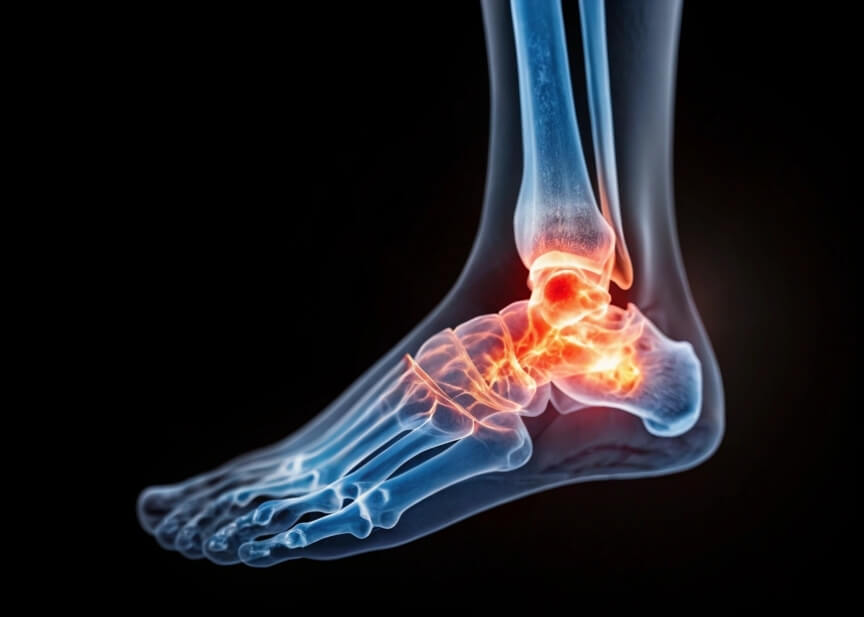
We’ve all done it — rolled an ankle during a run, twisted a knee during sport, or jarred a wrist during a fall.
Often, these injuries are brushed off as “just a sprain,” and many people choose to wait it out or tough it out.
But here’s the truth: leaving untreated sprains can lead to much more than temporary pain.
Sprains, especially when ignored or poorly managed, can set off a chain reaction that leads to chronic instability, compensatory movements, and more serious injuries down the track.
In Australia, soft tissue injuries like sprains account for over 40% of all sports-related injuries — and a large percentage of these are never properly rehabilitated.
What Happens When You Leave An Untreated Sprain
A sprain occurs when a ligament — the tough band of tissue that connects bones — is overstretched or torn.
Common areas include the ankle, knee, wrist, and thumb. Depending on the severity, a sprain may involve swelling, bruising, pain, and difficulty bearing weight or moving the joint.
The problem begins when the injury is not properly treated. While mild sprains can heal on their own with rest, moderate to severe sprains often lead to:
- Ligament laxity (looseness): The joint becomes unstable because the ligament didn’t heal properly.
- Altered movement patterns: You might unconsciously shift your weight, limp, or avoid full range of motion, placing stress on other joints or muscles.
- Muscle weakness: If you avoid using the injured area, the surrounding muscles weaken, leaving the joint less protected.
- Proprioceptive loss: Sprains can damage nerve endings in the joint, reducing your body’s sense of balance and coordination — especially dangerous in the ankle or knee.
All of this increases your risk of recurrent sprains, falls, and more serious injuries such as meniscus tears, tendinopathies, or even early joint arthritis.
How Sprains Can Be Treated and Prevented
The key to preventing long-term issues is early and proper rehabilitation.
Physiotherapy plays a central role in helping the ligament heal correctly and restoring full function to the affected area.
Treatment typically includes:
- Initial swelling and pain management (e.g., ice, compression, gentle movement)
- Joint mobilisation to restore full range of motion
- Targeted strength training for the surrounding muscles
- Balance and proprioception exercises to retrain your nervous system
- Taping or bracing, where appropriate, for extra support during recovery
Importantly, your physio will also assess the entire movement chain. For example, an ankle sprain might lead to hip weakness or poor knee control. Addressing the whole system reduces the chance of re-injury and improves overall function.
Don’t wait for the pain to “go away on its own” — even if your symptoms feel minor. Many chronic issues we treat in the clinic began as an “old sprain” that was never properly managed.
What You Can Do Right Now to Reduce Injury Risk
If you’ve recently had a sprain — or have a history of past ones — these practical tips can help protect your body:
👣 Rebuild balance and stability:
Simple single-leg balance drills (e.g. standing on one foot with eyes closed) help retrain joint proprioception.
🏋️ Strengthen surrounding muscles:
Focus on glutes, calves, hamstrings, and core. Strong support muscles help absorb impact and protect joints.
🚶♂️ Return to activity gradually:
Don’t rush back into high-impact sport. Start with controlled, low-load activities, and follow a progressive plan.
🧊 Use R.I.C.E. early on:
Rest, Ice, Compression and Elevation in the first 48–72 hours helps reduce swelling and start recovery on the right foot.
👨⚕️ Get a physio assessment:
Even if it’s been weeks (or years) since the injury, it’s never too late to improve mobility, strength, and confidence in your joint.
In Summary
A sprain might seem minor at first, but without proper care, it can lead to a cascade of other injuries, imbalances, and pain.
The body works as a unit — if one part isn’t functioning well, others will pick up the slack, often leading to further problems.
If you’ve had a sprain and want to make sure it doesn’t come back to bite you, book a physiotherapy session today. A little rehab now can prevent a lot of trouble later.
 |
Written By:
David McCawley (Senior Physiotherapist) Bachelor of Physiotherapy (honours) |