

Blog, Physiotherapy
What If Your Back Pain Isn’t About Spinal Alignment?
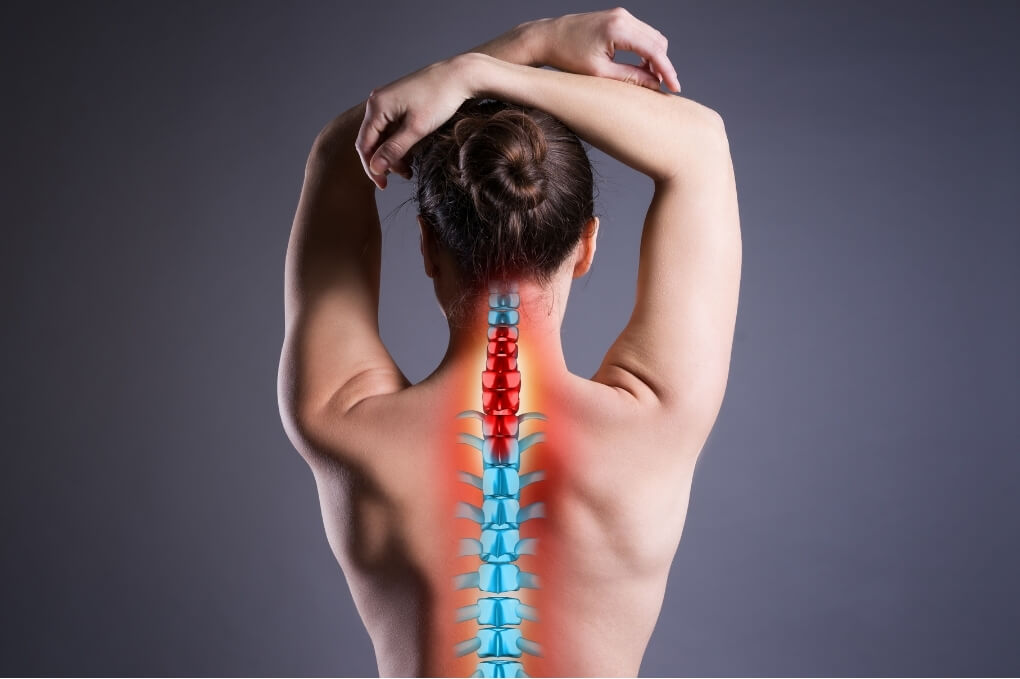
Spinal Alignment Does Not Need to Be Perfect for Your Back to Be Strong and Functional
Have you ever been told that your back is “out of alignment” or that poor posture is the reason you are experiencing pain?
It can make you feel as though your spine needs to stay in one perfect position throughout the day. You might start sitting straighter, constantly correcting yourself or avoiding certain movements because you are worried about damaging your back.
But spinal alignment is only one part of a much bigger picture.
Your spine is designed to move through different positions. For many people, how well the body can tolerate movement and load may be more useful to consider than trying to maintain a single “perfect” posture. This reflects the central message of the original article.
Does Spinal Alignment Need to Be Perfect?
There is no single posture or spinal alignment that looks exactly the same for everyone.
People naturally have different body shapes and spinal curves. Some people have a more pronounced curve through their lower back, while others appear flatter. The way we sit and stand also changes throughout the day.
Your spine is meant to do this.
It bends when you pick something up, rotates when you turn and continually adjusts while you walk, sit, stand and exercise.
Rather than always asking:
“Is my spinal alignment perfect?”
A more useful question may sometimes be:
“Can my body comfortably handle what I need it to do?”
Someone may sit with a rounded posture and have no difficulty working, exercising or completing everyday activities. Another person may appear to have excellent spinal alignment but still develop discomfort after sitting in one position for a long time.
This is one reason posture or alignment alone cannot fully explain why someone develops back or neck pain. The original article draws on a systematic review reporting no clear consensus that spinal posture or physical exposure alone causes low back pain.
What Does Spinal Alignment Have to Do With Pain?
Posture can influence how loads are distributed through the body, and changing position can sometimes make you feel more comfortable.
However, pain is usually more complex than simply having “good” or “bad” spinal alignment.
Back and neck symptoms can be influenced by many factors, including:
- prolonged or repetitive tasks
- previous injury
- sleep
This means seeing an image of your posture or noticing that your body is not perfectly symmetrical does not automatically identify the cause of your pain.
Current Australian health information also recognises regular movement and exercise as important for spinal health rather than recommending that people remain rigidly in one position.
What Is Movement Tolerance and Why Does It Matter More Than Perfect Spinal Alignment?
Think of your body’s capacity a little like a battery.
On a good day, you might have enough capacity to work, exercise, lift, walk and complete everything else you need to do.
At other times, poor sleep, stress, reduced activity, illness or recovery from an injury may leave you with less capacity than usual.
Your tolerance for physical activity can work in a similar way.
Your body needs enough capacity for activities such as:
- lifting and carrying
- bending and reaching
- walking and running
- exercise and sport.
Sometimes symptoms appear when the demands placed on your body exceed what it is currently prepared to tolerate.
That does not necessarily mean your spinal alignment has changed or that something has moved “out of place”. It may mean the body needs time and appropriate training to improve its capacity for that particular activity.
Why Can Building Capacity Be More Useful Than Chasing Spinal Alignment?
If pain has made you avoid certain movements, the long-term goal is not necessarily to keep avoiding those movements forever.
Instead, gradually rebuilding strength, movement and tolerance may help prepare your body for the activities you need to perform.
 For example, imagine you have been avoiding lifting because of back pain.
Focusing only on spinal alignment might leave you worrying about finding the exact “correct” lifting posture every time. A capacity-based approach also considers whether you have enough strength, confidence and tolerance for the load you are trying to lift.
You may begin with a lighter or more comfortable version of the task and gradually increase the challenge.
Depending on your situation and goals, building capacity may involve improving:
- strength and endurance
- mobility
- lifting tolerance
The aim is not to force your spine into one position. It is to help your body become more capable of moving through the range of positions required in daily life.
Does Good Spinal Alignment Mean You Will Not Get Back Pain?
No posture can guarantee that you will remain pain-free.
Likewise, seeing a curve, asymmetry or variation in spinal alignment does not automatically mean there is something wrong with your back.
This does not mean posture is irrelevant.
A different position may make a task more comfortable, and workstation setup can matter when you spend long periods sitting or standing. Healthdirect recommends regular movement, exercise and supportive work environments as part of looking after posture and spinal health.
The important distinction is that posture is one factor rather than a complete explanation for pain.
Instead of worrying about holding the “perfect” position all day, it can be more practical to change positions regularly and build enough physical capacity for the activities you need to perform.
Should You Keep Correcting Your Spinal Alignment Throughout the Day?
You generally do not need to hold your body rigidly in one position all day.
If you have been sitting for a while and begin to feel uncomfortable, changing position, standing up or moving can be useful.
The same applies when standing.
Rather than repeatedly checking your spinal alignment, consider giving your body some variety. Sit differently, stand up, stretch, walk around and change positions when needed.
Movement itself is normal.
A spine that bends and rotates is not necessarily an unhealthy spine. The original article emphasises that the goal is not to find one perfect position and remain there, but to become comfortable and capable across many positions.
What Should You Focus on Instead of Perfect Spinal Alignment?
If concerns about spinal alignment are making you hesitant to move, it may help to shift the focus towards what your body can do.
Ask yourself:
Can I tolerate the activities I need to perform?
Do I have enough strength and endurance for them?
Have I gradually prepared my body for those demands?
These questions can provide a more useful starting point than judging your body purely by how straight or symmetrical it appears.
For many people, staying active and progressively building strength and movement tolerance can be an important part of managing back pain. Australian guidance similarly recommends exercise to help keep the back strong and flexible.
Spinal Alignment Is Only One Part of the Bigger Picture
Your spine does not have to look perfectly aligned at every moment to be strong, healthy and functional.
Bodies naturally vary, and posture naturally changes.
While spinal alignment and posture can influence comfort in some situations, they should not be viewed in isolation. Strength, movement, activity levels, confidence and the demands placed on your body can all influence how well you tolerate everyday life.
A body that can move, adapt and gradually tolerate different loads may be more useful than one that simply looks perfectly aligned.
If back or neck pain is persistent, worsening or limiting your normal activities, an individual assessment can help determine what may be contributing to your symptoms rather than assuming spinal alignment is the only explanation.
Take the Next Step
If concerns about spinal alignment, back pain or neck pain are stopping you from moving confidently or doing the activities you enjoy, an assessment can help identify the factors that may be contributing to your symptoms.
A personalised plan can then focus on building the strength, movement and tolerance your body needs rather than simply chasing a perfect posture.
Book a session with one of our physiotherapists online at M Physio or call 1800 992 999.
 |
Written By:
Bachelor of Physiotherapy (Hons) |
References
Belavy, D. L., Quittner, M. J., Ridgers, N. D., et al. (2019). No consensus on causality of spine postures or physical exposure and low back pain: A systematic review of systematic reviews. Journal of Biomechanics, 102, 109312.
O’Sullivan, P. B., Caneiro, J. P., O’Keeffe, M., Smith, A., Dankaerts, W., Fersum, K., & O’Sullivan, K. (2018). Cognitive functional therapy: An integrated behavioral approach for the targeted management of disabling low back pain. Physical Therapy, 98(5), 408–423.
O’Sullivan, K., Dankaerts, W., O’Sullivan, L., & O’Sullivan, P. B. (2015). Cognitive functional therapy for disabling nonspecific chronic low back pain: Multiple case-cohort study. Physical Therapy, 95(11), 1478–1488.