

Blog, Physiotherapy
Unlocking the Pelvic Puzzle: What to Know About Sacroiliac Joint Pain
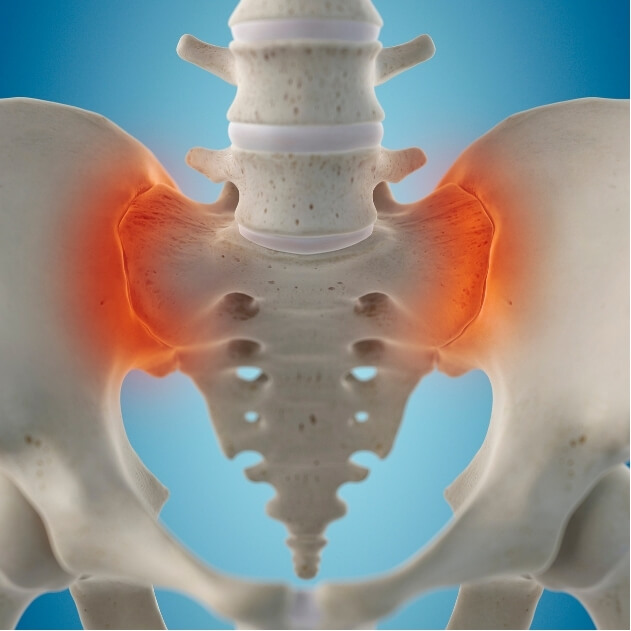
Lower back or pelvic pain that just won’t settle?
The culprit may be your sacroiliac joint (SIJ) — a small but powerful connection between your spine and pelvis that plays a major role in stability, movement, and load transfer.
At M Physio, we often see patients whose stubborn “back pain” actually originates from dysfunction in the sacroiliac joint. The good news? With the right diagnosis and targeted physiotherapy, sacroiliac joint pain can be effectively managed — and long-term relief is possible.
What Is the Sacroiliac Joint?
The sacroiliac joints sit on each side of your lower spine, connecting the sacrum (base of your spine) to the ilium (part of your pelvis). These joints act like shock absorbers, transferring forces between your upper body and legs during walking, lifting, and bending.
Although they move only a few degrees, this subtle motion is crucial. If the joints move too much (hypermobility) or too little (hypomobility), irritation, inflammation, and pain can develop — a condition commonly referred to as sacroiliac joint dysfunction or SIJ syndrome.
Common Causes of Sacroiliac Joint Pain
Sacroiliac joint pain can occur for several reasons, including:
- Pregnancy and hormonal changes that loosen pelvic ligaments
- Falls, twists, or repetitive strain from lifting or sports
- Leg length differences or poor posture that alter pelvic alignment
- Inflammatory arthritis (e.g. ankylosing spondylitis, osteoarthritis)
- Muscle imbalance between the glutes, hips, and lower back
Sacroiliac joint pain is often localised to one side of the lower back or buttock and may radiate into the thigh or groin. It typically worsens with standing, climbing stairs, or turning in bed.
How Physiotherapy Helps Manage SIJ Dysfunction
Effective management begins with an accurate diagnosis. Physiotherapists use specific movement tests, palpation, and a detailed history to identify whether the sacroiliac joint is the true source of pain.
1. Manual Therapy and Mobilisation
Gentle joint mobilisation, muscle energy techniques, and soft tissue therapy help restore movement and reduce pain.
2. Exercise and Strengthening
Targeted exercises focus on improving stability through the core, gluteal, and pelvic floor muscles. These muscles work together to keep the SIJ aligned and supported during movement.
3. Postural and Movement Retraining
Education on correct posture, lifting mechanics, and sleep positioning reduces daily strain and prevents recurrence.
4. Supportive Aids (if required)
A pelvic or SIJ belt can be used short-term for extra stability, particularly during pregnancy or high-impact activities.
When to Seek Help
If your lower back or pelvic pain hasn’t improved with rest or standard treatment, your sacroiliac joint may be the hidden cause. Left untreated, SIJ dysfunction can lead to chronic pain and compensatory movement patterns affecting your hips and spine.
The physiotherapists at M Physio are experts in diagnosing and treating sacroiliac joint pain. With tailored manual therapy, strengthening, and education, we’ll help you move better, feel stronger, and regain confidence in your body.
 |
Written By:
Masters of Physiotherapy |