

Blog, Physiotherapy
Tendon Pain: Why Your Tendons Hate Sudden Change
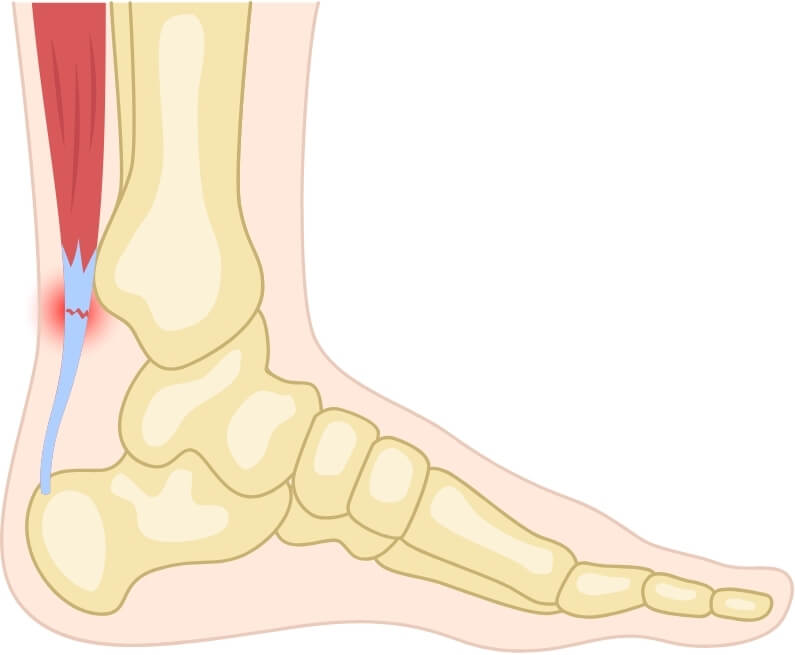
Tendon Pain Often Starts When Your Activity Changes Faster Than Your Tendons Can Adapt
Have you recently started a new exercise program, increased your running distance or returned to sport after a break, only to notice tendon pain a few days later?
It might be a sore Achilles, a painful elbow or discomfort around the knee. Whatever the location, there is often a common theme: your activity changed faster than your tendon was prepared for.
Tendons are strong, adaptable tissues, but they generally respond best when changes in load happen progressively. Understanding this can help you make sense of tendon pain, manage your training more carefully and give your body time to build the capacity it needs.
What Is Tendon Pain and Why Does Loading Matter?
Tendons are strong bands of connective tissue that attach muscles to bones. Every time you walk, run, lift, jump or grip something, your tendons help transfer force from your muscles so your body can move.
Tendons are also living tissues that adapt to the demands placed on them. Regular loading can help them become better prepared for the activities you ask them to perform.
The challenge is that this adaptation takes time.
Your fitness or muscle strength may improve relatively quickly, and you may feel ready to do more. Your tendon may not yet have developed the same capacity. When the demands suddenly increase, tendon pain can sometimes follow.
Australian health guidance similarly identifies repeated loading and rapid increases in exercise intensity as contributors to tendinopathy.
Why Can Sudden Changes Trigger Tendon Pain?
A tendon develops a certain level of tolerance based partly on what you have been doing recently.
Imagine you normally run 5 kilometres twice a week. Your body has become accustomed to roughly that level of running. If you suddenly double the distance, add hill sessions and start running more frequently at the same time, your tendon has to cope with a very different demand.
This type of rapid increase is often described as a spike in load.
Examples that may contribute to tendon pain include:
- suddenly running much further than usual
- returning to tennis or another sport after several months away
- increasing gym weights or training volume too quickly
- adding hills, sprinting or jumping to an existing program
- starting a high-impact exercise class after a period of lower activity.
This does not necessarily mean the tendon has suddenly become severely damaged. Pain and tendon structure do not always have a simple one-to-one relationship. What it can mean is that the current demand has exceeded what the tendon is ready to tolerate.
How Do Tendons Adapt to Exercise and Tendon Loading?
Appropriate exercise is an important part of maintaining and improving tendon capacity.
When a tendon is exposed to suitable, progressive loading over time, the tissue responds to that mechanical stimulus. Strength and function can gradually improve, helping the tendon tolerate greater demands.
This is one reason consistency matters.
Doing a very demanding session once and then resting for a long period does not provide the same gradual progression as regular, appropriately dosed exercise. For many people with tendon pain, the aim is to find a manageable level of loading and then build from there.
Progressive loading is also commonly recommended in the management of tendon conditions, including Achilles tendon problems.
Does Tendon Pain Mean You Should Stop Exercising?
Not necessarily.
It is understandable to think that pain means you should stop using the tendon completely. However, prolonged complete rest is generally not the goal for many tendon problems.
Reducing or temporarily modifying an aggravating activity may be appropriate, particularly during a flare. But avoiding loading altogether for an extended period can leave the tendon less prepared when you eventually return to normal activity.
At the other extreme, repeatedly pushing through clearly worsening tendon pain may also make symptoms harder to settle.
The aim is usually to find the middle ground: enough activity to maintain and progressively develop capacity without repeatedly exceeding what the tendon can currently tolerate. Healthdirect advises against prolonged complete rest for tendinopathy and recommends a gradual return to exercise.
How Can You Manage Tendon Pain When Increasing Exercise?
There is no single progression that suits every person or every tendon. Your starting point will depend on your symptoms, recent activity, strength, goals and the type of exercise you want to return to.
A few practical principles can make changes easier to manage.
Change one thing at a time
Try not to increase distance, speed, frequency and intensity all at once. Adjusting one variable gives your body a clearer opportunity to adapt.
Build gradually
Large jumps in training can expose a tendon to demands it has not experienced recently. Smaller, progressive increases are generally easier to tolerate.
Allow time between demanding sessions
Recovery is part of training. Heavy strengthening, jumping, sprinting and other high-load activities may need appropriate recovery between sessions.
Why Consistency Matters for Tendon Pain
It is easy to become impatient when your muscles and fitness seem ready to progress faster than your tendon.
For tendon pain, more exercise is not automatically better. What matters is providing an appropriate challenge consistently enough for your body to adapt.
Think of tendon rehabilitation as building capacity rather than simply getting rid of symptoms.
Whether your goal is returning to running, lifting heavier weights, playing weekend sport or staying comfortable during everyday activities, sustainable progress usually comes from gradually preparing the tendon for the loads it needs to handle.
Small Changes Can Make Tendon Pain Easier to Manage
The key message is simple: tendons respond to load, but they need time to adapt to changes in that load.
Muscles, fitness and motivation may make you feel ready to progress quickly. Your tendons may need a more gradual approach.
If tendon pain appears after a change in activity, consider what has changed recently rather than assuming you need to stop moving altogether. Adjusting the amount of activity and then progressively rebuilding strength and tolerance can often be a more useful approach.
Sudden severe pain, a snapping or popping sensation, significant swelling, marked weakness or an inability to use the limb normally should be assessed promptly, as these symptoms can indicate a more significant tendon injury.
Take the Next Step With Tendon Pain
If tendon pain is making it difficult to exercise, play sport or manage your usual activities, an assessment can help identify what may be contributing to your symptoms and establish an appropriate starting point for rehabilitation.
A personalised approach can help you manage your current activity while progressively rebuilding the strength and capacity required for the things you want to get back to.
Book a session with one of our physiotherapists online at MPhysio or call 1800 992 999.
 |
Written By:
Bachelor of Physiotherapy |