

Blog, Physiotherapy
Sleep and Recovery: How Better Rest Supports Healing
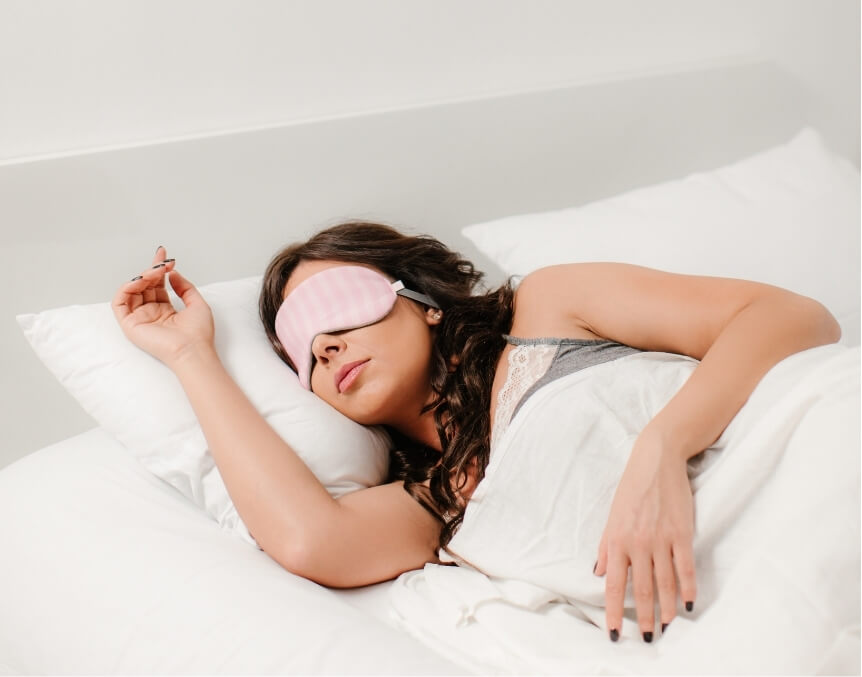
Sleep and recovery go hand in hand — and what happens overnight can influence how you feel, move and rehabilitate during the day.
When recovering from an injury, it is easy to focus on the obvious things: exercises, stretches, treatment and gradually returning to activity. But there is another important part of recovery that can sometimes be overlooked — sleep and recovery.
Perhaps you have noticed that pain feels more intense after a restless night, or that exercise feels harder when you are tired. These experiences make sense. Sleep is involved in normal tissue repair, immune and inflammatory regulation, nervous system function and the way our brain processes pain.
Sleep is not a replacement for rehabilitation, movement or appropriate treatment. Instead, sleep and recovery work alongside these strategies to give your body the conditions it needs to adapt and recover. This remains consistent with the central message of the original article.
How Do Sleep and Recovery Support Tissue Repair? 
Your body does not simply switch off when you fall asleep. Sleep is an active biological process, with different stages contributing to physical and neurological restoration.
During deeper stages of sleep, several processes associated with normal sleep and recovery take place. Growth hormone secretion is closely linked with sleep and contributes to normal protein metabolism, tissue maintenance and repair processes. Sleep also supports the regulation of energy use and other physiological functions involved in recovery.
This matters when your body is adapting after exercise or recovering from injury. Muscles and other tissues need time between physical loads to repair and adapt.
Poor sleep does not mean that your body suddenly stops healing. However, regularly getting insufficient or disrupted sleep may make it harder to achieve optimal physical recovery and can affect fatigue, performance and your ability to participate fully in rehabilitation.
How Are Sleep and Recovery Connected to Pain?
One of the clearest links between sleep and recovery involves pain.
Sleep and pain can affect each other in both directions. Pain may make it difficult to fall asleep, stay asleep or find a comfortable position. In turn, inadequate or disrupted sleep can increase pain sensitivity and make existing symptoms feel more difficult to manage.
This does not mean that poor sleep is necessarily causing your injury or pain. Pain is influenced by many factors, and sleep is one part of that broader picture.
Poor or disrupted sleep is also associated with changes in inflammatory and immune signalling. These processes are complex, but they help explain why sleep and recovery can be relevant when someone is experiencing persistent pain or rehabilitating an injury.
How Much Sleep Supports Sleep and Recovery?
There is no perfect number of hours that applies to every person. Sleep needs can vary with age, health, lifestyle, activity levels and individual circumstances.
For many adults aged 18–64, Australian guidance recommends around seven to nine hours of good-quality sleep each night, together with regular sleep and wake times.
When thinking about sleep and recovery, quality matters as well as quantity. Spending enough time in bed may not leave you refreshed if your sleep is frequently interrupted.
Rather than aiming for perfect sleep every night, focus on creating habits that make consistent, restorative sleep more likely.
Simple Ways to Improve Sleep and Recovery
Small changes to your routine can support sleep and recovery without turning bedtime into another rehabilitation task.
Helpful strategies may include:
- keeping your bedtime and waking time reasonably consistent
- creating a quiet, dark and comfortable sleeping environment
- reducing stimulating screen use close to bedtime
- limiting caffeine later in the day if it affects your sleep
If pain is interrupting your sleep, comfortable positioning may also be worth considering. There is no single sleeping position that is right for everyone, so the goal is usually to find a position that allows you to rest comfortably rather than trying to maintain a “perfect” posture overnight.
When Poor Sleep Becomes an Ongoing Problem
Occasional poor sleep is common. Persistent sleep difficulties are different.
If you regularly struggle to fall asleep, wake repeatedly during the night, experience significant daytime sleepiness or feel that sleep problems are affecting your health and everyday life, it is worth discussing this with your GP or another appropriate healthcare professional.
Sleep conditions can have causes that extend beyond musculoskeletal pain or rehabilitation, so ongoing problems may require further assessment.
Sleep and Recovery Are Part of the Bigger Picture
Sleep and recovery are not separate from rehabilitation. Sleep is one of several factors that can influence pain, energy, physical performance and your capacity to participate in exercise and everyday activity.
Good rehabilitation still requires appropriate movement, loading and treatment where indicated. But supporting your sleep gives your body another important opportunity to recover between those activities.
You do not need perfect sleep to make progress. Consistently giving sleep the attention it deserves may simply help create better conditions for your overall recovery.
Take the Next Step
If pain, injury or poor sleep and recovery are making it difficult to return to your usual activities, an individual assessment can help identify the factors influencing your rehabilitation and guide an appropriate management plan.
Book a session with one of our physiotherapists online at M Physio or call 1800 992 999.
 |
Written By:
Bachelor of Physiotherapy (Hons) |
References
Haack, M., Simpson, N., Sethna, N., Kaur, S., & Mullington, J. (2020). Sleep deficiency and chronic pain: Potential underlying mechanisms and clinical implications. Neuropsychopharmacology, 45(1), 205–216.
Irwin, M. R. (2015). Why sleep is important for health: A psychoneuroimmunology perspective. Annual Review of Psychology, 66, 143–172.
Knowles, O. E., Drinkwater, E. J., Urwin, C. S., Lamon, S., & Aisbett, B. (2018). Inadequate sleep and muscle strength: Implications for resistance training. Journal of Science and Medicine in Sport, 21(9), 959–968.
Medic, G., Wille, M., & Hemels, M. E. H. (2017). Short- and long-term health consequences of sleep disruption. Nature and Science of Sleep, 9, 151–161.