

Blog, Physiotherapy
Relieving Sacroiliac Joint Dysfunction Pain Through McKenzie Therapy

Persistent lower back pain that won’t go away might not be a back problem at all — it could be sacroiliac joint dysfunction.
Hi, I’m Douglas, a senior physiotherapist at M Physio trained in the McKenzie Method.
I often see patients struggling with ongoing lower back, buttock, or groin pain that traditional treatments haven’t resolved.
In many cases, the true culprit isn’t the spine — it’s dysfunction in the sacroiliac joint (SIJ).
Despite its importance, SIJ dysfunction remains one of the most overlooked and misdiagnosed sources of chronic pain.
Few people even know what the SIJ is, let alone how crucial it is for stabilising your pelvis and supporting daily movements like walking, running, and lifting.
In this post, I’ll explain what SIJ dysfunction is, the subtle symptoms you might not expect, and how the McKenzie Approach can help restore comfort and control.
What is the Sacroiliac Joint (SIJ)?
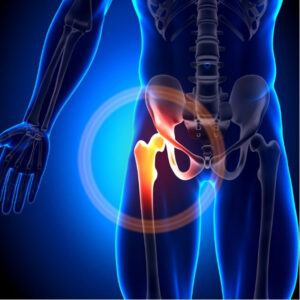
The sacroiliac joints are two large joints that connect your sacrum (the base of your spine) to your pelvic bones. These joints act as shock absorbers, transferring weight from your upper body to your legs while allowing minimal but essential movement.
When the SIJ becomes irritated or its mechanics are disrupted, it can lead to dysfunction and pain. This may result from trauma (like a fall), repetitive strain, pregnancy-related changes, or sometimes without a clear cause.
Common but Overlooked Symptoms of SIJ Dysfunction
Most people associate SIJ dysfunction with lower back pain. However, it’s important to recognise other subtle symptoms that might indicate SIJ involvement. Here are five lesser-known signs:
- Buttock Pain That Feels “Deep”
Patients often describe a dull, deep ache in the buttock, usually on one side. Unlike muscular soreness, SIJ pain tends to be more persistent and can worsen with prolonged sitting or standing.
- Pain Referred to the Groin or Upper Thigh
SIJ dysfunction can refer pain to the front of the pelvis or groin area. Some patients mistakenly believe they have a hip joint problem when the true culprit is the SIJ.
- Pain When Transitioning from Sitting to Standing
Difficulty or discomfort when rising from a seated position is a classic but overlooked symptom. This is due to the SIJ bearing load changes during this movement.
- Instability or “Giving Way” Sensation in the Pelvis
Some people describe a feeling that their pelvis is unstable or shifting, especially during activities like walking uphill, climbing stairs, or even turning in bed.
- Asymmetrical Posture or Movement Patterns
SIJ dysfunction can subtly affect your gait or standing posture. You might notice yourself standing more on one leg, favouring one side, or having uneven hip heights.
How the McKenzie Method Can Help
The McKenzie Method is a globally recognised assessment and treatment approach that emphasises self-management and mechanical diagnosis. Although it’s commonly associated with lower back disc-related problems, the McKenzie principles apply to SIJ dysfunction as well.
The first step is a thorough mechanical assessment to determine how your pain responds to repeated movements and sustained postures. For SIJ dysfunction, we often identify directional preferences — specific movements that centralise or reduce your pain.
For example, a patient with SIJ dysfunction may experience relief with extension-based movements or lateral shifts. By identifying these patterns, we can prescribe targeted exercises that you can perform at home, giving you control over your symptoms.
Another key component of the McKenzie approach is addressing postural habits and movement strategies. Patients with SIJ dysfunction often develop compensatory patterns that perpetuate their pain. Correcting these through education and simple postural adjustments is essential for long-term success.
The Importance of Early Intervention
Research suggests that SIJ dysfunction is responsible for approximately 15-30% of cases of chronic low back pain.
Unfortunately, it is often overlooked in standard medical assessments.
The good news is that conservative management through physiotherapy is highly effective. Studies have shown that manual therapy combined with specific exercises yields significant improvements in pain and function for SIJ-related issues.
The McKenzie Method’s emphasis on empowering the patient with self-treatment strategies not only accelerates recovery but also reduces the likelihood of recurrence.
Final Thoughts
Sacroiliac joint dysfunction is a common yet under-recognised cause of lower back, buttock, and pelvic pain. If you’ve been struggling with these symptoms without clear answers, it’s worth considering whether your SIJ might be involved.
Through a detailed mechanical assessment and guided self-treatment, the McKenzie Method offers a practical, evidence-based approach to managing SIJ dysfunction — putting you back in control of your body and your pain.
If you suspect your SIJ might be the problem, seek out a physiotherapist trained in the McKenzie Method. Early intervention can make a world of difference.
 |
Written By:
Douglas Woo (Senior Physiotherapist) Doctor of Physiotherapy |
References
Vleeming, A., Pool-Goudzwaard, A. L., Stoeckart, R., van Wingerden, J. P., & Snijders, C. J. (1995). The function of the long dorsal sacroiliac ligament: its implication for understanding low back pain. Spine, 20(16), 1806-1812.
Laslett, M., Aprill, C. N., McDonald, B., & Young, S. B. (2005). Diagnosis of sacroiliac joint pain: validity of individual provocation tests and composites of tests. Manual therapy, 10(3), 207-218.
van der Wurff, P., Buijs, E. J., & Groen, G. J. (2006). Association between symptoms of sciatica and the sacroiliac joint. European Spine Journal, 15(4), 429-435.
McKenzie, R. (2003). The Lumbar Spine: Mechanical Diagnosis and Therapy. Spinal Publications New Zealand Ltd.
Cohen, S. P. (2005). Sacroiliac joint pain: a comprehensive review of anatomy, diagnosis, and treatment. Anesth Analg, 101(5), 1440-1453.