

Blog, Physiotherapy
Purposeful Exercise: Move Better and Feel Stronger
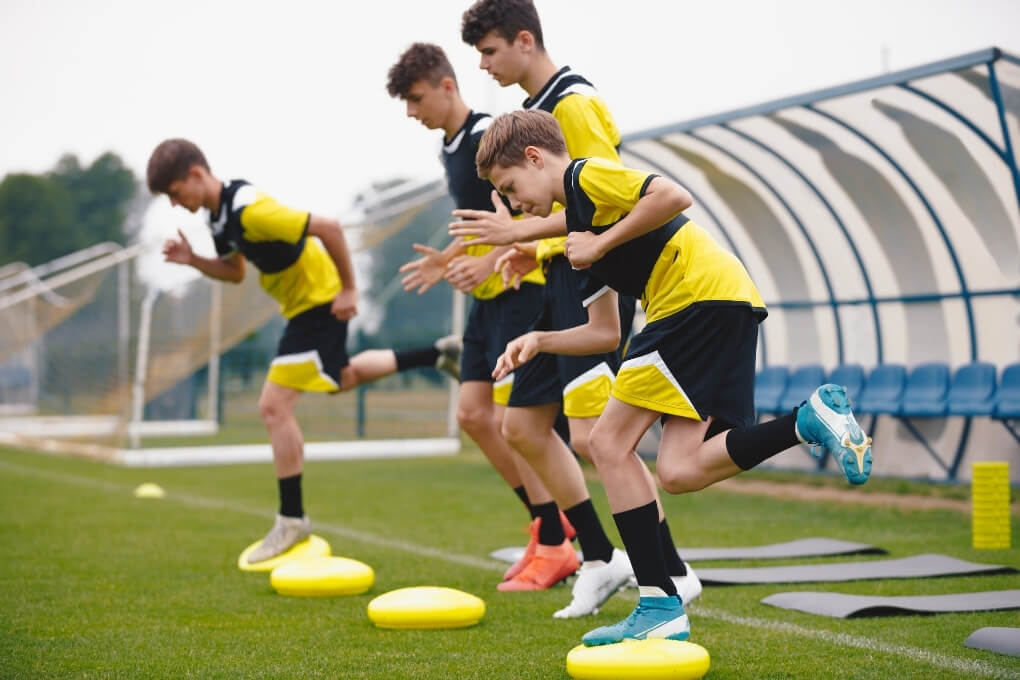
Purposeful Exercise Can Change More Than How Much You Move
Exercise is widely recognised as an important part of maintaining health, but simply completing a few movements is not always enough to achieve the outcome you want.
You may exercise regularly and still experience pain, stiffness or recurring injuries. You might also feel that the routine you were once given is no longer challenging you or preparing you for the activities you enjoy.
The missing piece may be purposeful exercise: choosing and progressing exercises according to a clear goal rather than going through the motions.
What Is Purposeful Exercise?
Purposeful exercise means understanding why you are performing each exercise and how it relates to your needs.
Rather than completing a generic set of movements, you work towards a specific outcome. That outcome might be climbing stairs more comfortably, lifting safely at work, returning to running or feeling more confident during sport.
A purposeful exercise program may consider:
- The movement or activity you want to improve
- Your current strength, mobility and fitness
- The demands of your work, sport or daily routine
- How your body responds during and after exercise
- How the program should progress over time
This approach does not require every session to be complicated. It means that each part of the program has a reason for being there.
Why Does Purposeful Exercise Matter?
Exercise can support physical health, mental wellbeing, muscle and bone strength, cardiovascular fitness and the management of some persistent health conditions. Australian movement guidelines encourage adults to include aerobic activity as well as regular muscle-strengthening exercise.
However, the type of exercise you choose matters when you have a particular goal.
Walking may improve general activity levels and cardiovascular fitness, but walking alone may not develop the strength or power needed to return to football. Stretching may temporarily ease a feeling of stiffness, but it may not prepare your body to lift, jump or change direction.
Purposeful exercise helps connect your current program with the movement you eventually want to perform.
Why Basic Exercises May Stop Producing Results
Simple exercises can be valuable, particularly during the early stages of recovery. The problem is not that they are basic; it is that they may remain unchanged long after your body has adapted to them.
Several issues can limit progress.
The exercises do not match your current needs
An exercise sheet found online or prescribed for a previous problem may not reflect your present symptoms, capacity or goals.
Two people with pain in the same area may have very different work demands, fitness levels and movement requirements. Their purposeful exercise programs may therefore look quite different.
The program does not progress
Your body adapts when it is exposed to an appropriate challenge. Once an exercise becomes easy, continuing with the same resistance, range and volume may provide less stimulus for further improvement.
Progression could involve changing the resistance, repetitions, speed, range, balance demand or complexity. The best option depends on the outcome being trained.
The exercises do not resemble real-life demands
A controlled movement on the floor may be a useful starting point, but your eventual goal may involve running, carrying, reaching or responding to another player.
Purposeful exercise gradually closes the gap between a simple starting exercise and the demands of everyday life or sport.
Pain involves more than tightness or weakness
Pain is influenced by many interacting factors. These can include the condition of the tissues, previous injury, sleep, stress, activity levels, beliefs about movement and how quickly load has changed.
This does not mean pain is imaginary. It means that repeatedly stretching one area or strengthening one muscle may not address every factor contributing to the problem.
Can Purposeful Exercise Help With Pain?
Exercise can be helpful for many musculoskeletal pain presentations, but there is no single exercise that works for every person or every condition.
The type, starting level and progression should be chosen according to your presentation. An activity that is appropriate for one person may be too easy, too difficult or unrelated to another person’s goal.
Purposeful exercise also focuses on function rather than chasing a completely symptom-free session every time. In some circumstances, a tolerable and temporary increase in symptoms may occur as capacity is rebuilt. In others, pain may signal that the exercise or dosage should be adjusted.
New, severe or unexplained pain should be assessed rather than managed by repeatedly pushing through it.
Purposeful Exercise Is About Quality, Direction and Progress
Exercise does not have to be elaborate to be effective. It does, however, need to suit the person doing it.
Purposeful exercise combines an appropriate starting point with clear goals and gradual progression. A well-rounded program may include mobility, strength, cardiovascular fitness, balance and activity-specific practice.
When your exercises relate to what you want to achieve, it becomes easier to understand your program, monitor progress and prepare for the activities that matter to you.
Take the Next Step With Purposeful Exercise
When pain, recurring injuries or stalled progress are making exercise difficult, an individual assessment can help identify your current capacity and the demands of your goal.
A physiotherapist can work with you to develop a purposeful exercise plan that is appropriate for your presentation and progresses as your body adapts.
Book a session with one of our physiotherapists online at M Physio or call 1800 992 999.
 |
Written By:
Bachelor of Physiotherapy (Hons) |