

Blog, Physiotherapy
How to Protect Your Knees from ACL Injuries in Australian Sport

ACL injuries in Australian sport are on the rise and it’s not just professional athletes who are at risk.
From weekend warriors to teenage footy players, thousands of Australians suffer from anterior cruciate ligament (ACL) injuries each year.
In fact, Australia has one of the highest ACL reconstruction rates in the world, and it’s affecting people younger than ever before.
But which sport leads the way in ACL injuries? And more importantly, how can you reduce your risk?
What Causes ACL Injuries and Australian sport and Which Sport Tops the List?
The ACL is a key ligament inside your knee that helps stabilise it during cutting, pivoting, and sudden changes in direction. It’s most commonly injured during non-contact movements, such as landing awkwardly, changing direction quickly, or decelerating too fast — especially in sports that demand explosive leg movement.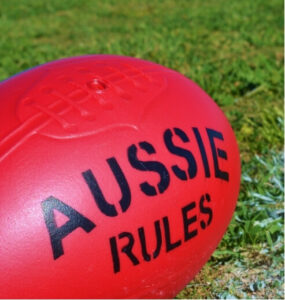
The highest rate of ACL injuries in Australian sport is Australian Rules Football (AFL). Closely following are soccer, netball, rugby league, and rugby union. These are all high-intensity, stop-start sports with plenty of twisting, jumping, and rapid changes in pace.
AFL stands out not just for the volume of injuries, but for the severity and frequency among younger players, especially females. A 2021 study published in the Medical Journal of Australia found that girls aged 14–18 are up to 10 times more likely to rupture their ACL than boys in the same age group, likely due to differences in biomechanics, landing technique, and muscle strength.
Other risk factors include:
- Poor landing or cutting mechanics
- Weak glutes or core muscles
- Fatigue or overtraining
- Previous knee injury
- Playing on uneven or hard surfaces
How Can ACL Injuries Be Managed or Treated?
An ACL tear often results in immediate pain, swelling, instability, and inability to continue playing. Diagnosis is confirmed with a clinical exam and MRI.
Management options include:
Non-Surgical Rehabilitation
Some people (especially older or less active individuals) can avoid surgery and strengthen the muscles around the knee to regain stability. This must be guided by a physiotherapist.
Surgical Reconstruction
This is common for young or athletic people, involving grafting a new ligament into the knee. Post-surgery, a 9–12 month rehab program is crucial to restore strength, movement, and confidence.
Regardless of the path taken, physiotherapy is central to recovery:
- Strengthens the muscles around the knee (especially quads, glutes, hamstrings)
- Improves balance and proprioception
- Corrects movement patterns to reduce re-injury risk
- Guides return to sport testing and clearance
Sadly, 1 in 4 young athletes who return to sport after an ACL injury suffer another tear — either in the same or opposite knee. This highlights the importance of completing full rehabilitation and using prevention strategies long-term.
How to Prevent ACL Injuries – Practical Tips for Every Athlete
The best ACL injury is the one that never happens. Prevention programs have been shown to reduce ACL injury risk by up to 50% when done consistently.
🏋️ Incorporate a neuromuscular warm-up:
Programs like FIFA 11+, Knee Control, or the Prep to Play (for AFLW) include:
- Jumping and landing technique drills
- Cutting and pivoting mechanics
- Core and hip strengthening
- Balance and agility training
⏱️ Consistency matters:
Do these warm-ups 2–3 times per week, not just on game day. They take less than 15 minutes and make a huge difference.
🧠 Focus on form and fatigue:
Poor movement under fatigue is a major cause of ACL injuries. Learn good mechanics early, and don’t skip strength work in the gym.
👟 Train smart:
Avoid sharp increases in training volume, intensity or surfaces. Rest and recovery are just as important as training.
👩⚕️ See a physio for screening:
A physiotherapist can assess your landing mechanics, strength imbalances, and knee control — and provide you with tailored exercises to reduce risk.
In Summary
Australian Rules Football has the highest rate of ACL injuries in Australian sport, but athletes in many sports are at risk — especially younger players. The silver lining? Most ACL injuries are preventable with the right warm-ups, strength training, and movement education.
If you or your child play a sport with high ACL risk, don’t wait until injury strikes. Book a movement screening with our team and start building strength and resilience now.
 |
Written By:
David McCawley (Senior Physiotherapist) Bachelor of Physiotherapy (honours) |