

Blog, Physiotherapy
Osgood-Schlatter in Growing Teens: A Physiotherapist’s Perspective
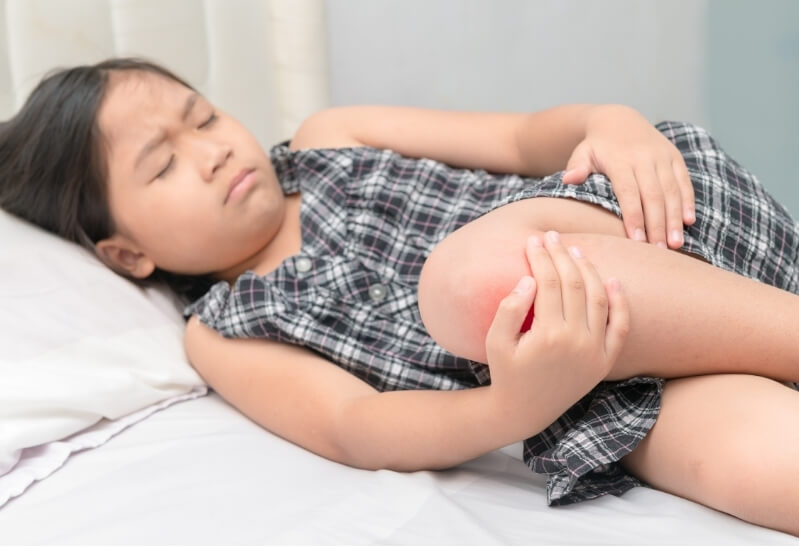
If your teenager plays sports and suddenly starts complaining of knee pain, you’re not alone.
Osgood-Schlatter disease is one of the most common causes of knee pain in growing kids and teenagers.
In fact, research shows it affects up to 20% of active adolescents, with boys slightly more likely to experience it than girls.
It usually appears during growth spurts—around ages 10–15 in boys and 8–13 in girls—when the bones, muscles, and tendons are all developing quickly.
The good news? With the right management, most young people recover fully and return to sport pain-free.
Physiotherapy plays a key role in speeding up recovery and reducing the risk of ongoing problems.
What is Osgood-Schlatter disease?
Osgood-Schlatter disease isn’t really a “disease” but an overuse condition.
It happens when repeated stress from running, jumping, or kicking causes irritation at the spot where the kneecap tendon attaches to the shinbone (just below the knee).
Typical symptoms include:
- Pain and swelling just below the kneecap
- A visible bump at the top of the shin
- Pain that worsens with activity (especially running, squatting, or climbing stairs)
- Relief when resting
Why does it happen?
During a growth spurt, bones often grow faster than muscles and tendons can keep up.
This makes the area around the knee more vulnerable to pulling and irritation, especially in kids who are very active in sports like soccer, basketball, or netball.
How physiotherapy can help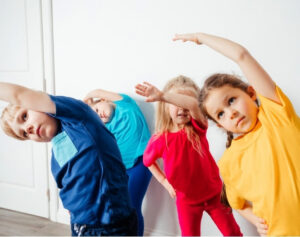
Physiotherapy is one of the most effective ways to manage Osgood-Schlatter disease.
Treatment focuses on reducing pain, improving flexibility, and building strength to protect the knee.
Here’s how physio can help your child recover:
- Activity modification: Guidance on which activities to ease back on (and which ones can continue safely) to prevent flare-ups.
- Stretching exercises: Tight muscles, especially in the thighs and calves, put extra stress on the knee. Stretching helps relieve this tension.
- Strengthening programs: Targeted exercises to build up the quadriceps, hamstrings, and hip muscles for better support around the knee.
- Pain management techniques: Ice, taping, or bracing may be used to reduce discomfort during activity.
- Education: Helping young athletes (and their parents) understand the condition, recovery timelines, and how to prevent recurrences.
Recovery and outlook
The pain from Osgood-Schlatter disease usually settles as the growth spurt slows down, but that doesn’t mean it should be ignored.
Without proper management, the pain can linger and limit a child’s ability to enjoy sports.
Physiotherapy helps them stay active in a safe way while reducing pain and keeping their body strong.
The takeaway
Osgood-Schlatter disease is common in active, growing kids—but with the right treatment, it doesn’t have to hold them back.
Physiotherapy provides safe, effective strategies to manage pain, support recovery, and keep your child active and confident.
If your child is struggling with knee pain that could be Osgood-Schlatter disease, don’t wait for it to get worse.
At M Physio Australia, our experienced team can help them recover and get back to doing what they love.
Call us on 1800 992 999 or book online today to start their recovery journey.
 |
Written By:
Bachelor of Physiotherapy (Hons) |