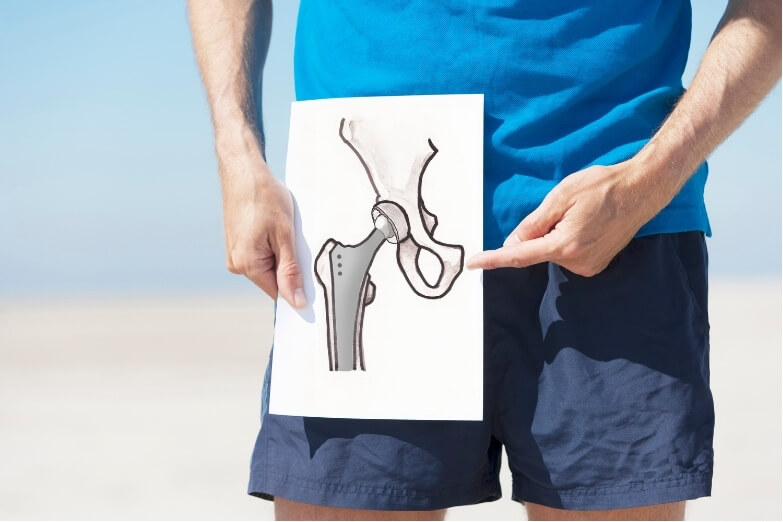
It might begin as stiffness getting out of the car, a sharp pinch tying your shoes, or an ache that lingers after a long walk along the coast—until suddenly, you’re thinking about every step.
The good news is that effective hip pain treatment doesn’t just mask symptoms.
Most hip pain is a response to load, posture, strength, or movement habits—and when we understand that, treatment becomes much clearer and far more effective.
Why I’m the Expert
I’m David McCawley, a Senior Musculoskeletal Physiotherapist who has spent years helping people move better and hurt less.
From active tradies and runners to retirees who simply want to walk without discomfort, I’ve seen how hip pain can disrupt confidence and independence.
My approach is simple: find the true driver of pain, build strength strategically, and restore calm to the joint using evidence-based physiotherapy.
Educate: The Most Common Types of Hip Pain (And What They Really Mean)
The hip is a ball-and-socket joint built for load. It tolerates thousands of steps a day — but like any structure, it adapts to what we ask of it.
Here are the most common culprits I see in clinic:
1️⃣ Gluteal Tendinopathy (Outer Hip Pain)
Often mistaken for “bursitis,” this condition causes pain on the outside of the hip — especially when lying on that side or climbing stairs.
Research over the past decade has shown that targeted strengthening — not just rest — is the most effective treatment. Progressive loading of the gluteal tendons improves pain and function significantly compared to passive treatments alone.
2️⃣ Hip Osteoarthritis
Hip osteoarthritis (OA) affects roughly 1 in 4 adults over 55 at some point in their lifetime.
But here’s something many people don’t realise: imaging findings don’t always match pain levels. Strong, well-conditioned muscles around the hip can significantly reduce symptoms. Large clinical guidelines consistently recommend exercise therapy as first-line treatment before considering injections or surgery.
3️⃣ Hip Flexor and Muscle Strain
These often appear after sudden increases in activity — new gym programs, running, or long hikes.
Muscle injuries respond best to gradual reloading, mobility work, and correcting underlying imbalances.
4️⃣ Labral Irritation
The labrum deepens the socket of the hip joint. Irritation here can create clicking, catching, or deep groin pain.
Interestingly, many labral tears seen on MRI are present in people without pain. That’s why clinical assessment — not imaging alone — is critical. Physiotherapy focusing on stability and load management often improves symptoms without surgical intervention.
The Problem – Why It Matters
When hip pain persists, people move less. When they move less, muscles weaken. When muscles weaken, joints feel less supported — and pain often increases.
It becomes a cycle.
Beyond discomfort, untreated hip pain can alter walking mechanics, overload the lower back or knees, and reduce overall activity levels. That impacts cardiovascular health, bone density, mood, and independence.
In other words, hip pain isn’t just about the hip.
The Solution – Why Physiotherapy Comes First
Strong international clinical guidelines consistently recommend exercise-based physiotherapy as the first-line for hip pain treatment — including osteoarthritis and tendinopathy.
Here’s why:
- It addresses the root cause (strength, control, load tolerance)
- It improves joint resilience
- It reduces reliance on pain medication
- It empowers you with long-term self-management strategies
Physiotherapy for hip pain treatment isn’t about quick fixes. It’s about building a hip that can handle your life again.
Call to Action
If your hip has been whispering — or shouting — at you, don’t ignore it.
Try these simple starting points:
• Controlled glute bridges
• Side-lying leg raises
• Gentle hip flexor mobility work
• Gradual walking progression
And most importantly:
Book a physiotherapy session for a thorough assessment and personalised plan and get the right hip pain treatment for you.
Your hips were built to carry you through decades of movement. With the right guidance, they absolutely still can.