Blog, Physiotherapy, Posture
Fear of Movement: Why Avoiding Activity Can Delay Healing
Fear of movement can slow your recovery more than the injury itself.
After an injury, it’s natural to worry that moving too much could make things worse. Many people avoid certain activities because they believe pain is a sign of further damage.
While protecting an injury is important during the early stages of healing, avoiding movement for too long can reduce strength, confidence and function, making recovery more challenging.
Why I’m talking about this
My name is Kevin, and I am a physiotherapist with a strong focus in musculoskeletal injuries, including neck, shoulder and low back pain.
A big part of my job is not just helping people move better, but helping them feel confident moving again.
I regularly see patients who are physically capable of improving, but are being held back by fear rather than actual injury.
What Is Fear of Movement?
Fear of movement, also known as kinesiophobia, is the fear that physical activity will cause pain or worsen an injury.
This is a common response following an injury or during persistent pain. Although the fear is understandable, it can sometimes become a barrier to recovery rather than a form of protection.
How Fear of Movement Affects Recovery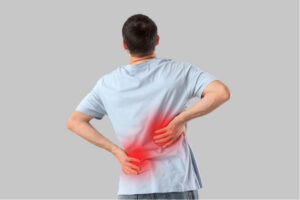
Research has shown that higher levels of fear of movement are associated with slower recovery and poorer physical function.
When people avoid movement because they expect pain or injury, they may experience:
- Reduced muscle strength
- Stiffness and loss of mobility
- Lower fitness levels
- Decreased confidence in everyday activities
- Increased pain sensitivity over time
As activity levels decline, even normal movements can begin to feel more difficult.
The Fear-Avoidance Cycle
Many people become caught in a cycle that looks like this:
- Pain develops.
- Movement is avoided.
- Muscles become weaker and joints become stiffer.
- Everyday activities feel more difficult.
- Confidence decreases.
- Pain becomes more persistent.
Breaking this cycle often requires gradually rebuilding confidence alongside physical capacity.
Does Pain Always Mean Damage?
One of the biggest misconceptions about pain is that it always indicates ongoing tissue damage.
In many cases, particularly when pain has persisted for several months, the nervous system can become more sensitive. This means movements may feel painful even though they are safe to perform.
Understanding this difference can help reduce fear and make rehabilitation feel less intimidating.
What actually helps you recover
Recovery is not about ignoring pain or pushing through severe discomfort. Instead, it involves gradually increasing activity at a pace that is appropriate for your condition.
A physiotherapy program may include:
- Graded exposure to movement
- Education about how pain works
- Progressive strengthening exercises
- Strategies to improve confidence with everyday activities
- Individualised rehabilitation based on your goals
This approach helps build both physical capacity and confidence over time.
Simple Steps You Can Start Today
If fear of movement is limiting your recovery, consider these practical strategies:
- Choose one or two movements you’ve been avoiding.
- Perform them within a comfortable range each day.
- Focus on slow, controlled movement rather than perfection.
- Celebrate gradual improvements instead of expecting immediate results.
- Seek professional guidance if you’re unsure where to begin.
Small, consistent steps often lead to meaningful progress.
Ready to Move with Confidence Again?
If pain or fear is preventing you from returning to work, exercise or the activities you enjoy, you don’t have to manage it alone.
A thorough physiotherapy assessment can help identify what’s contributing to your symptoms and develop a personalised plan to help you regain confidence and function.
Book a session with one of our physiotherapists and take the first step towards moving with confidence again.
References
Rainville, J. et al. (2011) ‘Fear-avoidance beliefs and pain avoidance in low back pain—translating research into clinical practice’, The Spine Journal, 11(9), pp. 895–903. doi:10.1016/j.spinee.2011.08.006.
Vlaeyen, J.W.S. and Linton, S.J. (2000) ‘Fear-avoidance and its consequences in chronic musculoskeletal pain: A state of the art’, Pain, 85(3), pp. 317–332. doi:10.1016/s0304-3959(99)00242-0.
Vlaeyen, J.W.S., Crombez, G. and Linton, S.J. (2016) ‘The fear-avoidance model of pain’, Pain, 157(8), pp. 1588–1589. doi:10.1097/j.pain.0000000000000574.