

Blog, Physiotherapy
Balance Training for Falls Prevention: Why It Matters More Than You Think
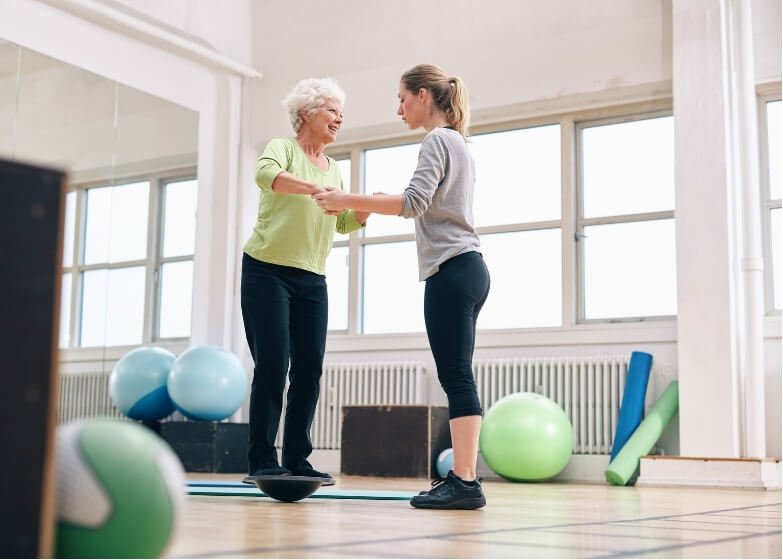
Balance training for falls prevention becomes increasingly important as we age, yet it’s often overlooked until something goes wrong.
Have you ever caught yourself grabbing the wall while reaching for something, or hesitated on a step you’d normally take without thinking?
Balance might seem like a small part of everyday life — until it isn’t.
Even subtle changes in balance can have serious consequences. A moment’s wobble can lead to a fall, a fracture, or a loss of independence.
The great news is that balance isn’t fixed — with the right strategies, it can be measured, trained, and strengthened, and physiotherapy is one of the most effective first steps.
Why Listen to Me?
I’m David McCawley, a Senior Musculoskeletal Physiotherapist with over a decade of experience helping adults of all ages maintain strength, mobility, and confidence on their feet.
I’ve seen patients regain their stability, prevent falls, and continue doing the activities they love — whether it’s walking the beach, gardening, or chasing after grandchildren.
Balance may decline naturally with age, but it doesn’t have to define how we live.
How Balance Changes With Age
Balance is a complex dance between your muscles, joints, brain, and inner ear. As we age, small changes start to add up:
- Muscles weaken — we lose up to 3–8% of muscle mass per decade after 30.
- Joints and tendons lose sensitivity — subtle cues from your feet and knees may no longer reach your brain as quickly.
- Inner ear changes — the vestibular system slows, affecting your sense of motion.
- Reaction time slows — making quick adjustments more difficult.
Statistics show the impact is more than just inconvenience.
Around one in three adults over 65 experience a fall each year, and falls are the leading cause of serious injuries and even death among older adults. A single fall can trigger a cascade of complications — from fractures to reduced confidence — that drastically affect independence.
Why This Matters
Balance problems are not just “part of getting old.” They are a serious health risk.
Fear of falling alone can cause people to reduce activity, which leads to weaker muscles, slower reflexes, and even higher fall risk — creating a self-perpetuating cycle.
In short, declining balance is a silent threat to your mobility, safety, and quality of life.
How Physiotherapy Can Help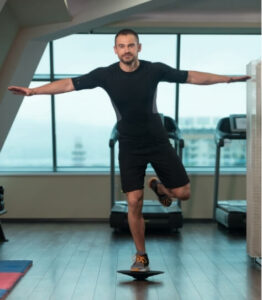
Physiotherapy goes beyond telling you to “be careful.” We take a full-picture approach with balance training for falls prevention:
- Assess strength, mobility, and gait
- Evaluate coordination and reaction times
- Test vestibular (inner ear) function
- Identify hidden risks before they become dangerous
Evidence supports targeted physiotherapy: studies show that individualised balance and strength programs can reduce falls by up to 30% in older adults. Interventions may include:
- Strengthening key lower body muscles
- Challenging balance with single-leg stands and controlled movements
- Practicing functional tasks like stair climbing
- Vestibular exercises for inner ear function
The goal isn’t just preventing falls — it’s restoring confidence, independence, and freedom of movement.
Call to Action
Don’t wait for a fall to remind you balance matters.
- Try daily balance challenges, like standing on one leg while making your morning coffee.
- Incorporate gentle strength exercises to maintain leg and core power.
- Schedule a physiotherapy assessment to uncover hidden risks and get a program tailored to you.
Balance is not a static trait — it’s a skill that can be trained at any age. With early balance training for falls prevention, you can stay steady, safe, and fully in control of your movements for years to come.
If you’ve noticed changes in your balance or want to reduce your risk of falls, our team at M Physio is here to help.
Call us on 1800 992 999 or book an appointment online to get started with a personalised balance training program.
 |
Written By:
David McCawley (Senior Physiotherapist) Bachelor of Physiotherapy (honours) |