

Blog, Physiotherapy
Tissue Capacity: Why Pain and Injuries Can Keep Returning
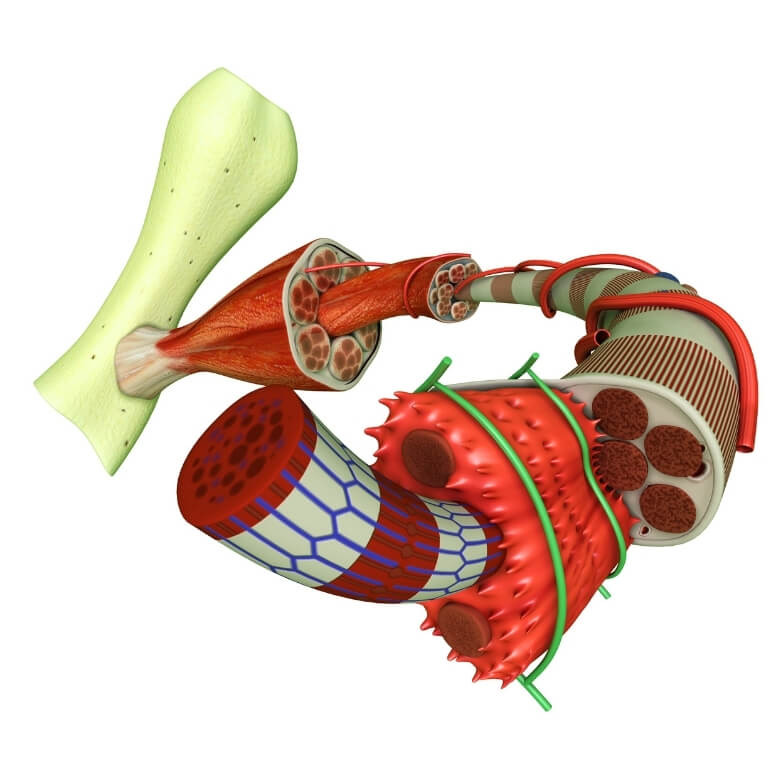
Tissue Capacity Can Change How You Think About Pain and Recovery
When pain or injury develops, it is natural to focus on the area that hurts. But understanding tissue capacity can give you a much broader picture of why symptoms may appear, why they sometimes return and what rehabilitation is trying to achieve.
Tissue capacity describes how well your muscles, tendons, bones, joints and other parts of your movement system tolerate the demands placed on them. When those demands increase faster than your body is prepared for, pain, fatigue or injury may occur.
The important thing to remember is that tissue capacity is not fixed. With appropriately graded activity, exercise and recovery, the body can adapt and become better prepared for the demands of everyday life, work and sport. This load-and-capacity concept is widely used in musculoskeletal rehabilitation.
Why Tissue Capacity Matters to Me
David McCawley is senior physiotherapist for the Surfers Paradise Demons in the QAFL and has been treating sports-related injuries for more than a decade. His clinical work includes musculoskeletal injuries, headaches and persistent pain.
A common frustration for people recovering from pain or injury is feeling better after a period of rest, only for symptoms to return once normal activity resumes.
Short-term strategies such as rest, massage or medication may sometimes help settle symptoms, but symptom relief alone does not necessarily mean your body is ready for its previous level of activity.
Understanding and gradually rebuilding tissue capacity can help shift the focus from simply settling symptoms towards preparing your body for the things you need and want to do. This preserves the central rehabilitation message of the original article.
What Is Tissue Capacity?
Think of tissue capacity as the amount of physical demand your body is currently prepared to tolerate.
Walking, lifting, running, working, exercising and playing sport all place different demands on your body. If there is a sudden or sustained increase in those demands, your current tissue capacity may not be sufficient for that workload.
For example, someone who normally runs twice a week may suddenly increase their distance, speed and number of sessions. Their muscles, tendons and bones have had relatively little time to adapt to that extra workload.
That does not mean every increase in activity will cause an injury. Pain and injury are influenced by many factors. However, how quickly your workload changes compared with your current capacity is an important consideration in rehabilitation.
What Can Affect Tissue Capacity?
Your tissue capacity is not the same from one week to the next. Your physical conditioning, recent activity and recovery can all influence how well you tolerate a particular workload.
Factors that may be relevant include:
- your usual physical activity and fitness
- previous injuries
- recent changes in training or workload
- sleep and recovery
- general health
- nutrition
- stress and psychological wellbeing.
These factors do not all affect body tissues in exactly the same way, and they should not be viewed as simple causes of pain. Instead, they help provide context for why the same activity may feel manageable at one point and difficult at another.
Tissue Capacity and Recurring Pain or Injury
Focusing only on whether something hurts can sometimes leave an important question unanswered: has your tissue capacity recovered enough for the activity you are returning to?
Imagine resting from running until your knee or Achilles pain settles. The symptoms may improve, but several weeks of reduced activity may also mean you are less prepared for your previous running workload.
Returning immediately to the same distance and intensity may therefore be difficult to tolerate.
This is why rehabilitation commonly involves gradually rebuilding tissue capacity before returning to full work, exercise or sport. Progressive loading is particularly important in conditions such as tendinopathy, although the appropriate type and amount of loading depends on the individual condition.
Complete avoidance of movement is not always the answer either. Extended inactivity can reduce strength and fitness, although there are injuries and medical conditions where temporary protection or reduced loading is necessary.
How Do You Build Tissue Capacity?
Building tissue capacity usually involves gradually increasing what your body is asked to do.
Depending on your needs, this might include:
- progressive strengthening exercises
- gradual return-to-work activities
- progressive return-to-running or sport programs
- appropriate sleep and recovery habits.
The exact program should match the activity you are trying to return to. Someone preparing for recreational walking has different capacity requirements from a footballer returning to competition or a worker regularly lifting heavy objects.
Why Gradual Progression Matters for Tissue Capacity
Building tissue capacity is not about pushing through as much exercise as possible.
Too large an increase in workload may aggravate symptoms or exceed what an injured area can currently tolerate. On the other hand, consistently doing less than your body is capable of may not provide enough challenge to achieve your rehabilitation goals.
The appropriate middle ground is individual. Progressive rehabilitation increases the challenge as your tolerance improves rather than relying on a fixed amount of exercise for everyone.
Some discomfort during rehabilitation can be acceptable for certain conditions, while other presentations require greater caution or temporary protection. Your diagnosis, symptoms and response to activity all matter when deciding how quickly to progress.
Tissue Capacity Is About More Than Becoming Pain-Free
An important goal of rehabilitation is not simply reaching a point where your symptoms have settled.
It is preparing your body for the demands that matter to you.
For one person, improving tissue capacity may mean comfortably walking the dog again. For another, it might mean returning to lifting at work, running five kilometres or getting back onto the sporting field.
Those goals give rehabilitation a practical destination: progressively develop enough capacity for the activities you want to perform.
Take the Next Step
If you have persistent pain, recurring injuries or difficulty returning to your normal activities, considering your tissue capacity may provide a useful way to think about rehabilitation.
Rather than aiming only for short-term symptom relief, an individual assessment can help determine your current tolerance, the demands you need to prepare for and how your activity can be progressed appropriately.
Book a session with one of our physiotherapists online or call 1800 992 999.
 |
Written By:
David McCawley (Senior Physiotherapist) Bachelor of Physiotherapy (honours) |