

Blog, Physiotherapy
Knee Pain Physiotherapy: Why Your Feet and Hips Matter
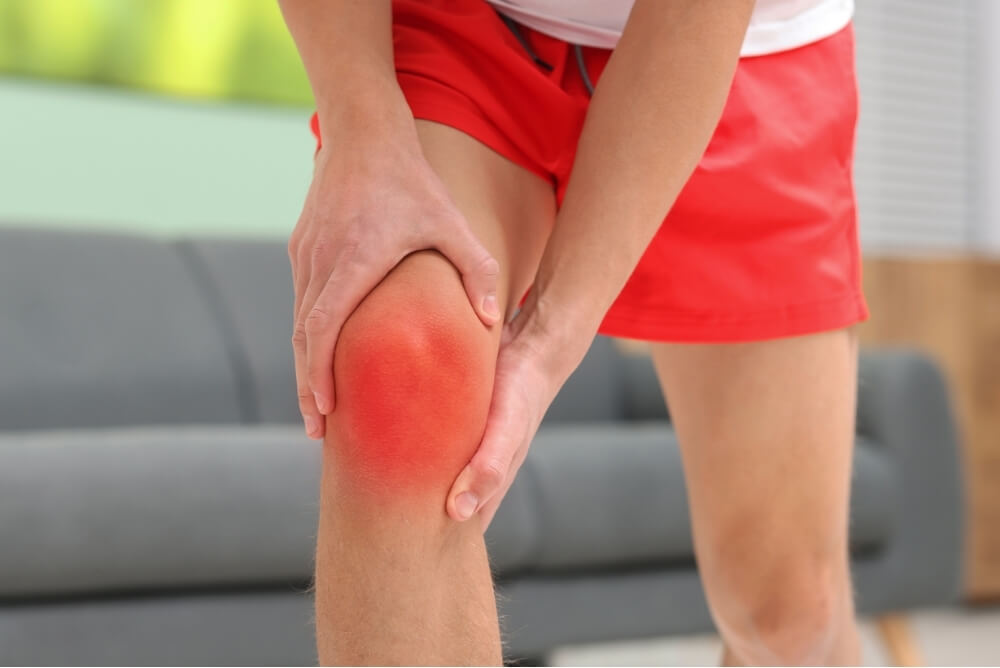
Knee pain often starts somewhere other than the knee itself.
Knee pain is one of the most common reasons people seek knee pain physiotherapy at M Physio Sydney. But here’s something that often surprises people: effective treatment of knee pain needs to look beyond the knee itself.
As physiotherapists, we think of the body as a connected chain. When something isn’t working well at the foot or hip, the knee often takes the strain. Let’s break it down in simple terms.
The Knee: The “Middleman” Joint
Your knee sits between the hip and the foot, acting as a link between the upper and lower body. Unlike the hip, which can move in multiple directions, the knee mainly bends and straightens. It has limited ability to rotate or move sideways safely.
Because of this, the knee relies heavily on the joints around it for support and control. If movement at the foot, ankle, or hip becomes inefficient, the knee is often forced to compensate.
Over time, this extra pressure can irritate structures around the knee joint and contribute to conditions such as:
• Patellofemoral pain
• Runner’s knee
• IT band irritation
• Tendon-related knee pain
This is why treating the knee alone often provides only temporary relief.
How Your Feet Affect Your Knees
Your feet are your foundation. Every step you take starts there.
If your foot mechanics aren’t working efficiently, for example:
• Overpronation (rolling in too much)
• Flat feet or very high arches
• Poor ankle mobility
…it can cause your lower leg to rotate inward. This rotation travels up to the knee, placing extra stress on structures like the kneecap (patella) and surrounding tissues.
A common result is pain around the front of the knee, especially with walking, running, squatting, or stairs.
The Role of the Ankle
Your ankle needs enough flexibility — especially the ability to bend forward, known as dorsiflexion.
If your ankle is stiff:
• Your body finds another way to move
• The knee may collapse inward or move excessively forward
Over time, this can overload the knee joint. We often see this in people who run, squat, play sport, or train regularly.
What Can You Do?
The good news is that these issues are very treatable when assessed properly.
At M Physio Sydney, our knee pain physiotherapy approach focuses on identifying the underlying cause of your symptoms rather than simply managing pain temporarily.
Treatment may include:
• Improving ankle mobility
• Strengthening foot and arch control
• Building hip strength and stability
• Retraining walking, running, and squatting mechanics
• Reducing excessive stress through the knee joint
Importantly, we tailor treatment to your goals, lifestyle, and activity level.
When to Seek Help
If your knee pain:
• Keeps returning
• Worsens with activity
• Is limiting exercise or sport
• Is not improving with rest
…it may be time for a proper assessment.
Early treatment can help prevent ongoing irritation and reduce the risk of long-term movement problems developing.
Final Thoughts
Knee pain isn’t always caused by a problem within the knee itself. In many cases, the real issue begins at the foot, ankle, or hip, which is why a thorough knee pain physiotherapy assessment should look at the entire movement chain.
By improving the way your body moves as a whole, you can often reduce pain, improve performance, and prevent recurring flare-ups.
Your body works as a connected system — and effective knee pain physiotherapy should treat it that way.
Book a session with one of our physiotherapists to get a personalised assessment and evidence-based plan for your knee pain recovery.